+61 234 567 8900
Book an Appointment
Many people getting braces for the first time may feel the world of dental braces is too much to handle. Over the years, dental braces have changed a lot, and now there are many different types to choose from that meet different needs and tastes. If you're a first-time patient, it's important to understand how these systems work so you can make smart choices with your dentist.
We'll look at how different types of dental braces work, from traditional ones to new, invisible ones, with a focus on how they straighten teeth. Modern orthodontics can help with crowded teeth or give you a subtle smile boost. The treatments are based on cutting-edge dental science.
The science of orthodontics is what makes all dental braces work. It involves putting controlled forces on teeth to move them into the right position. Braces work by applying gentle, constant pressure to the teeth, which causes the bone around the roots to change shape. Orthodontic tooth movement is the name of this process. It allows teeth to move slowly without damaging the surrounding tissues.
A dentist who specialises in orthodontics will look at your bite, jaw structure, and dental health to suggest the best system for you. For example, if your teeth are too close together, dental braces can make room by widening the dental arch or pulling teeth out if they need to be. The length of time a person needs to wear braces varies from 12 to 36 months, depending on the severity of the misalignment and how well the patient follows instructions.

Metal braces are still a very important part of dentistry for straightening teeth because they are strong and work well. The brackets on these dental braces are made of stainless steel and are attached to the front of each tooth. An archwire connects them and applies pressure. The archwire, which is usually made of nickel-titanium alloys, has shape-memory properties, meaning it returns to its original shape as the teeth move, keeping the force steady. To fix bite problems, dentists change these dental braces from time to time by tightening the wire or adding elastics.
Metal braces are great for severe cases like overcrowded teeth or teeth that are turned, even though they are visible. They give you precise control over how your teeth move. Improvements in orthodontic services have made them smaller and more comfortable, which means they don't bother the cheeks and lips as much. Many adults choose metal braces, also called adult braces, because they are less expensive than other dental treatments.
Ceramic dental braces are a great middle ground in orthodontics for people who want something less obvious than metal braces. These systems use polycrystalline alumina brackets that are the same colour as teeth. They blend in perfectly with natural teeth enamel, making them look less obvious. Professionals who want a polished smile love ceramic dental braces because the archwire can be clear or coated to make them even less visible. The brackets are, however, more fragile than metal, so dentists recommend avoiding hard foods to keep them from breaking.
Ceramic dental braces work the same way as metal braces when it comes to mechanics. They use ligatures or self-ligating clips to hold the wire in place. This makes it easier to straighten teeth and fix problems like gaps or teeth that are too close together. For mild to moderate cases, orthodontic services often recommend ceramic dental braces because they apply the same amount of force but look better.
Lingual dental braces are a new and advanced type of braces that go on the inside of teeth so that they can't be seen. These dental braces are made just for each patient and have brackets and wires that fit the shape of the teeth on the tongue side.
A dentist who specialises in orthodontics takes digital impressions to make sure the fit is perfect. This reduces speech problems and tongue irritation over time. The mechanics are like those of regular braces, with archwires putting pressure on specific teeth to straighten them. Lingual dental braces are great at fixing complicated misalignments, like teeth that are rotated or crowded, without making them look bad.
Some people think that the longer adjustment periods are worth it for a confident smile during treatment because they can't see the braces. Adults in this group who work with the public often prefer braces because they fit with modern dental services that stress privacy.

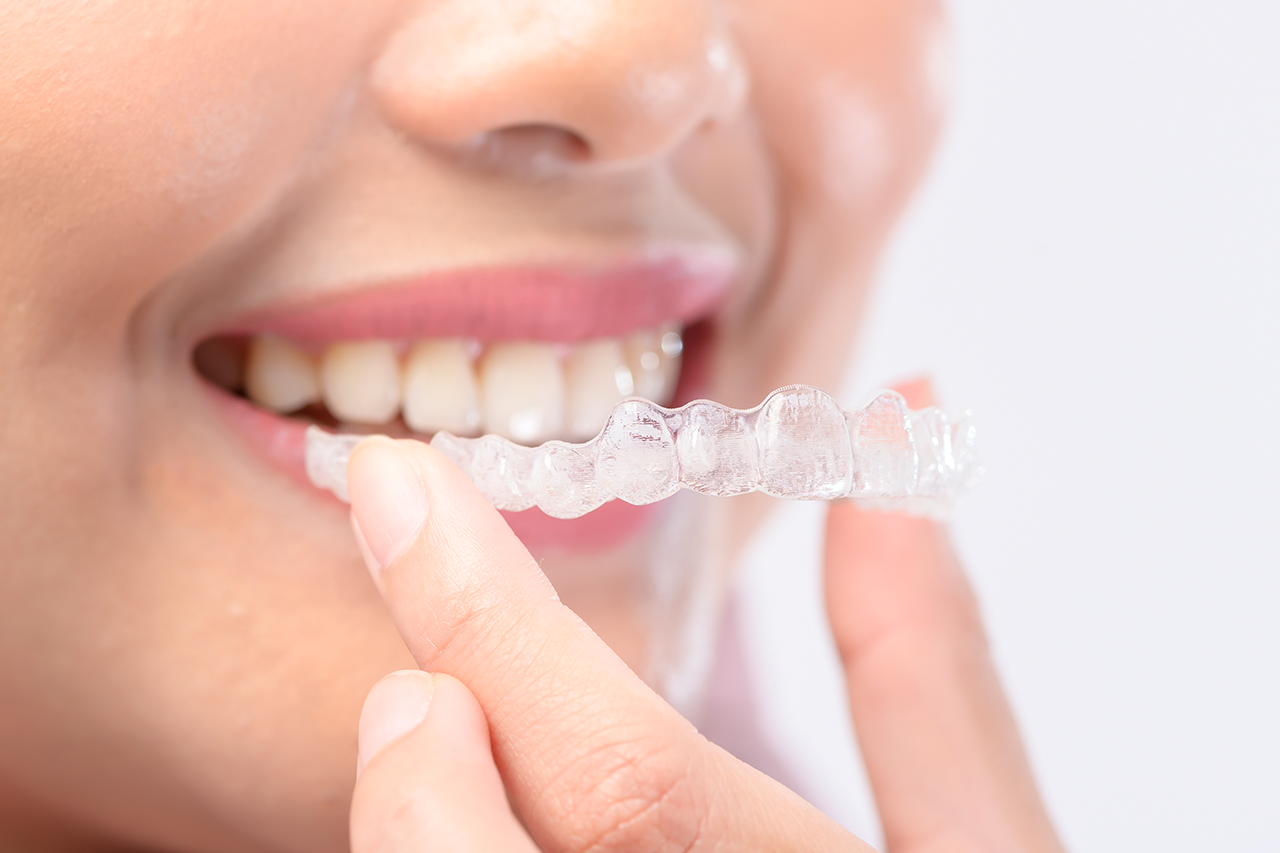
Clear aligners have changed the way dental braces work by giving people an option that is almost invisible instead of fixed systems. Invisalign and other brands use thermoplastic materials to make a series of custom trays that slowly move teeth. These dental braces are not made of metal, so you can take them off and eat and brush your teeth normally. Dentists use 3D scanning and computer-aided design (CAD) to map out the stages of tooth movement as part of the technical foundation. Each aligner applies gentle pressure to specific teeth, helping the bones adapt and straighten the teeth. Clear aligners are great for mild to moderate cases, like teeth that are spaced out or a little crowded. They come with attachments, which are small bumps on teeth that help them hold on better.
Regular check-ins by orthodontic services keep an eye on progress and make sure the treatment stays on track. For people who have never worn them before, the appeal is that they are comfortable and fit in with their lifestyle, but they must be worn for 20 to 22 hours a day.

When picking dental braces, you need to think about your treatment goals, lifestyle, and budget. Metal braces are best for fixing serious orthodontic problems, while ceramic and lingual braces are more about aesthetics. Clear aligners are great for people who want to make as few changes as possible to their daily lives, but they might not work for everyone.
Talking to your dentist is the best way to find out how healthy your teeth are and what you want your smile to look like. All types of dental braces are meant to improve how well your teeth work, like making it easier to chew and reducing wear on your teeth. In orthodontics, success depends on the patient working with the dentist, from keeping appointments to keeping their teeth clean to avoid problems.

Taking care of your dental braces properly will make them work longer and protect your investment in straightening your teeth. Dentists stress the importance of brushing after meals and using threaders to floss around brackets or aligners. Avoiding sticky foods keeps metal or ceramic braces from getting damaged, and clear aligners need to be cleaned every day to keep them from getting stained.
Retainers, whether fixed or removable, help keep your teeth straight after treatment by preventing them from moving back to their original positions. Orthodontic services include follow-up visits to monitor retention and ensure your smile stays straight. Talking to your dentist about any pain you are having early on can help avoid problems and make things easier for first-time patients.
As dentistry moves forward, dental braces keep getting better. They now use technologies like AI-driven planning and materials that are safe for the body. In the future, orthodontic services may have even smarter systems that straighten teeth faster and with less help. For now, knowing about these choices gives patients the power to work with dentists to get the best results. Getting dental braces is easier than ever, whether you start with metal braces or switch to invisible aligners.
From strategy to execution, we help you connect with your audience, increase conversions, and achieve measurable growth.
Monday - Friday
9 AM - 5 PM
Saturday
Appointment Only
Sunday
Closed
info@cosmeticdentistry
cremornenswaustralia.com
+61 234 567 8900